Published October 23, 2026
Chimney Sweep Lawrence Park West NY: What Most Homeowners Get Wrong
Most chimneys in Lawrence Park West look fine from the outside, and that’s exactly why so many homeowners put off scheduling a chimney sweep in Lawrence Park West NY until something goes wrong. Creosote doesn’t advertise itself. Cracked flue tiles don’t wave a flag. By the time there’s a visible problem, the repair bill is usually a lot bigger than a sweep would have been. We’ve seen this pattern enough times across Westchester County that it’s worth clearing up the thinking that leads people there.
You don’t need a sweep unless you use the fireplace a lot
A Lawrence Park West homeowner called us in late February last year. She’d moved into a Tudor-style home near the Bronxville border and hadn’t lit the fireplace all winter. She assumed a sweep wasn’t necessary because she hadn’t used it. When our technicians ran a camera through the flue, they found a bird’s nest from the previous spring, a section of spalled liner, and a light coating of glazed creosote, all from a handful of fires the previous owners had made. The fireplace had been used maybe six times total. That was enough.
The misconception that frequency equals risk is widespread, and it’s understandable. If you haven’t used the chimney much, it’s easy to assume there’s nothing to address. The CSIA (Chimney Safety Institute of America) recommends that chimneys be inspected at least once a year regardless of use frequency, because deterioration from moisture, animals, and freeze-thaw damage happens whether or not you’ve had a single fire. Here in Lawrence Park West and throughout Westchester County, the winters drive repeated freeze-thaw cycles that work on mortar joints and liner sections without any help from combustion at all.
A quick visual check from the firebox tells you enough
Homeowners in areas like Crestwood and Tuckahoe sometimes tell us they’ve already “checked” the chimney themselves by shining a flashlight up from the firebox. It’s a reasonable impulse, but that inspection covers maybe the bottom two feet of a flue that runs fifteen to twenty feet up through the house. Glazed creosote, which is the third-degree deposit that poses the highest fire risk, tends to accumulate in the upper sections of the flue where combustion gases cool the fastest. You won’t see it from below.
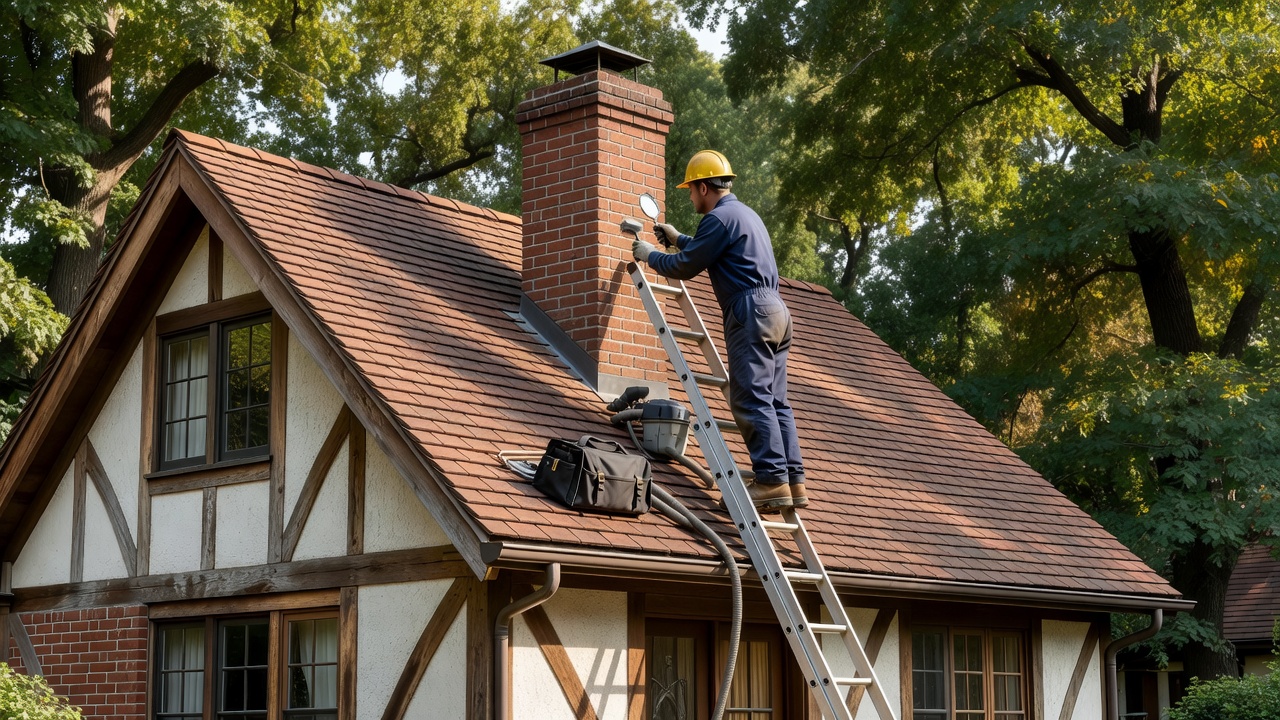
According to NFPA 211 (2026 edition), a Level 1 inspection requires visual examination of the accessible portions of the chimney exterior, interior, and accessible portions of the appliance and the chimney connection. A Level 2 inspection, required whenever a home changes ownership or after any event that may have damaged the chimney, extends that to include video scanning. Neither of those is something a flashlight from the firebox achieves. Our chimney inspection service uses purpose-built camera equipment for exactly this reason.
Any chimney sweep company will do the same job
This one persists because chimney sweeping looks simple. Someone shows up, brushes the flue, takes your check, leaves. But the difference between a thorough sweep and a surface clean matters in ways you won’t notice until you do. Our technicians look at the liner condition, the damper operation, the firebox integrity, and the crown and cap while they’re there. A sweep that skips the inspection component doesn’t give you the full picture. CSIA-certified sweeps follow a defined protocol that goes beyond debris removal, and if a company can’t tell you whether they’re certified, that’s worth knowing before you book.
We serve Lawrence Park West, Bronxville, Armour Villa, Cedar Knolls, and the surrounding communities, and we notice real differences in chimney condition across the housing stock. Many Lawrence Park West homes were built in the mid-twentieth century with terra cotta tile liners that were never designed for high-efficiency inserts. A sweep that doesn’t flag that mismatch leaves the homeowner exposed.
New construction or recently relined chimneys don’t need attention for years
There’s a version of this belief we hear from homeowners in newer parts of Eastchester and Park Hill: “We had it relined when we bought the place, so we’re good for a while.” A new stainless steel liner is a real improvement, but it still accumulates creosote, still needs its connector pipe checked, and still sits inside a masonry structure that’s subject to weather. The liner itself doesn’t protect the surrounding masonry from moisture intrusion. Annual sweeping after a relining isn’t a cash grab; it’s how you protect the investment in the liner and catch anything the mortar or cap develops before it becomes a structural issue.
You can put off the sweep until fall and book then
Every autumn we field calls from homeowners in Bronxville Heights and Lawrence Park West who waited until October and are now competing with every other household in Westchester County for appointment slots before the first cold week. Late summer, typically August or September, is when our schedule has the most availability and when any repairs we find have the best chance of being completed before you need the fireplace. Masonry work, in particular, requires temperatures above freezing to cure properly. A sweep in October that uncovers a cracked crown can still result in a fireplace you can’t safely use until spring if the repair window has closed.
The other practical reason to go early: chimney sweeping costs in 2026 for a standard single-flue sweep in Westchester County generally run between $200 and $350 depending on flue length, access, and condition. If our technicians find a level 2 inspection is needed, or significant creosote buildup requiring additional treatment, those figures adjust upward. Finding that out in August gives you time to plan. Finding it out in November gives you stress.
A fireplace that draws well is a safe fireplace
Good draft is a sign of adequate airflow, not a sign of a clean or structurally sound chimney. A flue can draw beautifully while carrying third-degree creosote deposits along its upper walls. It can draft perfectly while a section of liner has separated and is venting combustion gases into the chase rather than through the cap. Draft is one variable. A chimney sweep in Lawrence Park West NY should confirm the flue is both clear and structurally intact, not just functional in the sense that smoke goes up. If the only feedback you get after a sweep is “it’s drawing fine,” that’s not a complete answer.
We’re always happy to walk homeowners through what we find, what it means, and what the options are. Our goal is to make sure you understand your chimney’s condition, not to push work you don’t need. If you want a straightforward assessment, reach out through our website contact form and we’ll set up a time. We serve Lawrence Park West and all of Westchester County, and we’re not in a hurry to have you book repairs you don’t need.
Related services: Chimney inspection | Chimney sweeping | Chimney liner installation | Masonry restoration
If you’d like a free estimate and let us know what you’re working with, use our website contact form. We’re local, we’re straightforward, and we know the housing stock in Lawrence Park West well.
Frequently Asked Questions
How often should I schedule a chimney sweep in Lawrence Park West NY?
Once a year is the standard recommendation, in line with CSIA and NFPA 211 guidance current to 2026. That applies whether you use the fireplace regularly or only occasionally. Annual sweeping catches creosote buildup, animal intrusions, and liner deterioration before they become bigger problems.
What does a chimney sweep typically cost in Westchester County in 2026?
A standard single-flue sweep in Westchester County generally runs between $200 and $350. The final figure depends on flue length, the degree of creosote accumulation, and whether a more detailed inspection is required. We provide a clear estimate before any work begins.
Can I use my fireplace if I haven’t had a sweep in two or three years?
We’d recommend scheduling a sweep and inspection before using it. Creosote accumulates with each fire, and gaps of two to three years without service are long enough to reach buildup levels that increase chimney fire risk. A sweep is also an opportunity to check the liner and firebox for anything that’s developed over that time.
Do gas fireplaces need chimney sweeping too?
Gas appliances produce less creosote, but their flues still need annual inspection. Moisture, animals, and debris can enter a gas flue just as easily as a wood-burning one, and the venting connections and liner condition still matter for safe operation. NFPA 211 applies to gas appliances as well as solid-fuel ones.
What’s the difference between a chimney sweep and a chimney inspection?
A sweep removes combustion deposits and debris from the flue. An inspection evaluates the structural and operational condition of the entire chimney system, from the firebox and damper up through the liner, crown, and cap. The two services are related, and a good sweep should include at least a basic Level 1 inspection, but they’re not the same thing.
Is fall the best time to book a chimney sweep near Lawrence Park West?
Late summer is actually better. Fall demand in Westchester County is high, which limits scheduling flexibility. Late summer appointments also leave time to complete any repairs we find before temperatures drop and masonry work becomes harder to schedule and cure properly.
Related from Bronxville Chimney: Chimney Repair in Lawrence Park, NY · When to Book a Chimney Inspection in Cedar Knolls NY and What You Shou