Chimney Inspection Bronxville NY: What You Can Check Yourself and What Needs a Pro
Every fall, we get calls from Bronxville homeowners who lit their first fire of the season and noticed something wrong a smell, smoke backing up into the room, or a sound they couldn’t place. A chimney inspection in Bronxville NY done before the heating season would have caught most of those problems for a fraction of what repairs cost later. But we also know that not every chimney task requires a service call, and we’d rather give you a straight answer than pretend otherwise.
Here’s where the line actually is.
A Real Situation from Last Autumn
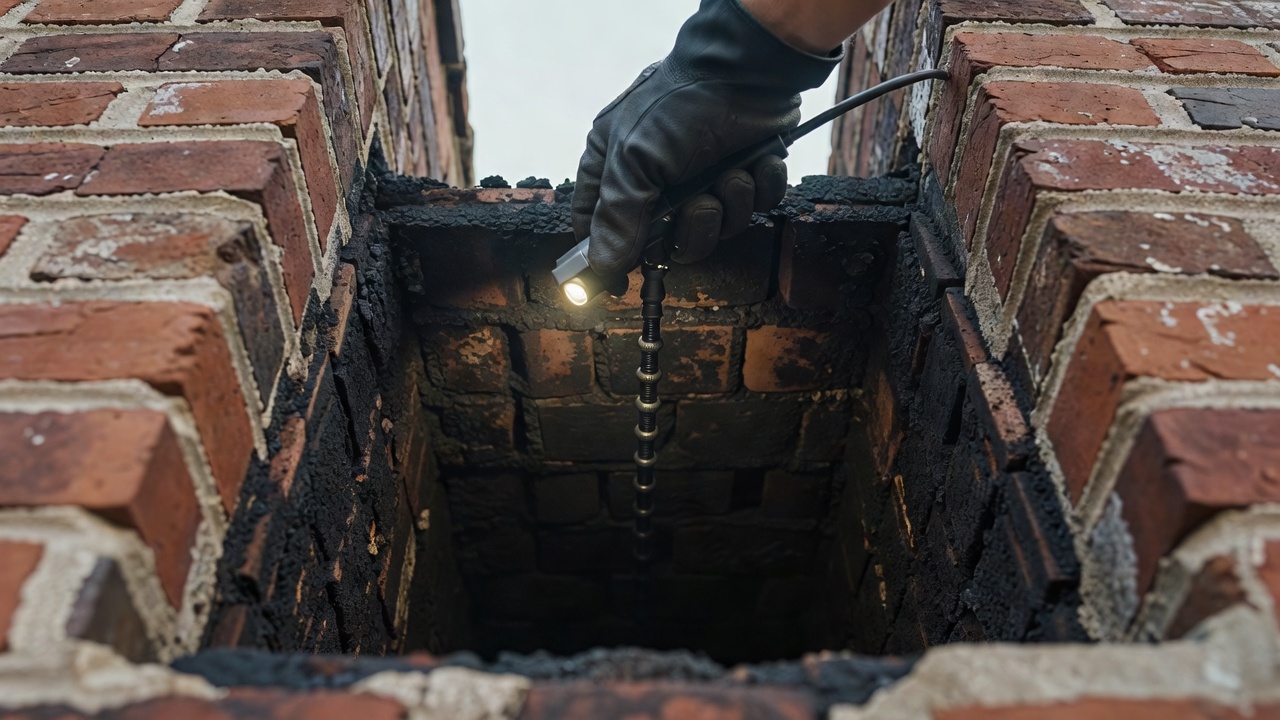
A homeowner in Crestwood called us in late October after spending a weekend trying to sort out why her fireplace smelled like a campfire even when it wasn’t in use. She’d already cleaned the firebox herself, replaced the glass doors, and watched several YouTube tutorials. What she hadn’t been able to see was a section of deteriorated flue tile about eight feet up the liner, combined with a cracked smoke chamber that was allowing outside air and moisture to funnel odors back into the house. A Level 2 inspection with a camera found both issues within about forty minutes. The repair was straightforward. Had she continued using the fireplace without knowing, she would have been venting combustion gases into a compromised system. By the time we left, she had a clear scope of work and a plan for the season. That’s what a proper inspection is for.
What You Can Safely Handle Yourself
We’re not going to tell you that touching anything near a chimney requires a licensed technician. Some tasks are genuinely within reach for an attentive homeowner.
You can clear out ash and debris from the firebox after every few fires. A metal ash bucket, a small shovel, and a little patience are all it takes. Leave a thin layer of ash on the floor of the firebox it actually helps with combustion but remove anything that’s building up past an inch or two.
You can visually inspect the firebox interior from the hearth. Look at the firebrick and mortar joints. If you see cracks narrower than a credit card, note them and mention them to us at your next service. If you’re seeing large chunks missing or mortar that crumbles when you press it lightly, that’s worth a call sooner.
You can check the damper. Open and close it. It should move freely and seat fully in both positions. If it’s stiff, corroded, or you can feel cold air pouring through when it’s closed, that’s useful information even if the fix itself warrants a professional.
You can look at the exterior of the chimney from the ground with a pair of binoculars. Staining, spalling brick, missing mortar, or a chimney cap that’s shifted or rusting are all visible signs. You don’t need to climb up there to spot them.
Cleaning your glass fireplace doors with a non-abrasive cleaner and wiping down the hearth surround are also entirely reasonable DIY tasks.
Where the Risk Gets Real
The tasks above have one thing in common: they don’t require you to interpret what you’re seeing inside the flue or make structural judgments. That’s where things get dangerous fast.
According to the Chimney Safety Institute of America (CSIA), the leading cause of chimney fires in residential homes is accumulated creosote, a byproduct of burning wood that condenses on flue walls. Stage 1 creosote looks like soot and brushes off. Stage 2 is flaky and harder to remove. Stage 3 is a tar-like glaze that conventional brushes won’t touch and that burns at temperatures exceeding 2,000°F. A homeowner looking into a dark flue with a flashlight genuinely cannot tell those apart. We use camera equipment and calibrated lighting to make that call accurately.
NFPA 211, the standard that governs chimneys, fireplaces, and venting systems, specifies that a Level 1 inspection covers accessible portions of a chimney and is recommended at minimum once a year for any chimney in regular use. A Level 2 inspection is required any time there has been a change in the appliance, a property sale, or an event like a chimney fire or a severe storm. Homeowners in older housing stock and Bronxville, Lawrence Park, and Eastchester have no shortage of homes built in the 1920s through 1950s often discover during a Level 2 that their liner no longer meets current clearance requirements for modern inserts or gas appliances.
Beyond creosote, there are structural issues you simply cannot assess without tools. Spalling flue tiles, failed smoke chambers, offset flue sections, and deteriorated crowns all require either camera inspection or physical access from the roof. Working on a chimney above the roofline carries real fall risk. Our technicians carry appropriate safety equipment and are trained for work at height. We’re not saying this to generate business; a significant number of DIY chimney injuries each year involve roof access.
Homeowners in Park Hill and Armour Villa have asked us whether they can apply crown sealant themselves after watching instructional videos. Technically, some products are sold for consumer use. Practically, applying them incorrectly overactive cracks, without proper surface prep, or in the wrong weather window can trap moisture and accelerate the very damage you’re trying to prevent. Chimney crown work that fails within a season is something we see regularly when we’re called in for what turns out to be a second repair attempt.
The Cost of Skipping the Inspection
A standard Level 1 chimney inspection in Bronxville typically runs in the range of $150 to $250, often combined with a sweep. A partial flue liner replacement can run from $1,500 to $3,500 depending on the flue length and liner type. Rebuilding a smoke chamber starts around $500 and goes up from there. Those numbers aren’t meant to alarm you; they’re meant to put the inspection cost in proportion. We see preventable repairs every week.
More to the point, according to the National Fire Protection Association, structural failures and blockages in heating system vents and chimneys are involved in thousands of residential fires annually across the country. In older homes in communities like Tuckahoe and Bronxville Heights, where clay tile liners have been in place for sixty or seventy years, the risk of liner failure is not theoretical.
Schedule a Chimney Inspection Before the Season Gets Away from You
We serve homeowners throughout Bronxville and the surrounding Westchester County area. If you’d like a straightforward assessment of your chimney’s condition before you start using it this season, reach out through our website contact form for a free estimate. We’ll tell you plainly what we find, what needs attention, and what can wait. No pressure, no upselling things you don’t need.
Related services: our chimney inspection service | chimney sweeping | chimney liner replacement | masonry restoration
Frequently Asked Questions
How often should I schedule a chimney inspection in Bronxville NY?
NFPA 211 recommends at minimum one inspection per year for any chimney in regular use. If you’ve had a chimney fire, added a new insert, or bought a home with an older fireplace, a Level 2 inspection is the right starting point regardless of when the last one was done.
What’s the difference between a Level 1 and Level 2 chimney inspection?
A Level 1 covers the accessible portions of the chimney the firebox, damper, and any visible sections of the flue and is appropriate for a chimney that’s been used without changes and has no known issues. A Level 2 includes a camera scan of the full flue interior and is required after any significant event, appliance change, or property transfer. Most older Westchester County homes we inspect benefit from a Level 2 at least once.
Can I clean my own chimney instead of hiring a sweep?
You can purchase chimney brushes and rods at hardware stores. For light Stage 1 creosote buildup, a capable homeowner with the right tools can do a basic sweep of an accessible flue. However, if you’re not confident about identifying creosote stage, flue condition, or clearances, it’s worth having a professional do it. A missed Stage 2 or Stage 3 deposit is not a small oversight.
How much does a chimney inspection cost in Bronxville?
A Level 1 inspection, often bundled with a sweep, typically falls between $150 and $250 in the Bronxville and Westchester County area. A Level 2 with camera inspection runs higher. Exact pricing depends on chimney height, number of flues, and access conditions. We provide written estimates before any work begins.
What are signs my chimney needs an inspection before I use it this season?
Smoke backing into the room, a persistent odor when the fireplace is cold, visible cracks in the firebox mortar, a damper that won’t seat properly, or any white staining (efflorescence) on the exterior masonry are all reasons to get an inspection before your first fire. Any of these can indicate a condition that gets worse sometimes significantly with use.
Is a chimney inspection required when buying a home in Westchester County?
A general home inspection does not substitute for a chimney inspection. Standard home inspectors are not trained or equipped to assess flue liner integrity. NFPA 211 specifies that a Level 2 inspection is required when a property is sold. If you’re buying a home in Bronxville or the surrounding area with a fireplace or wood stove, a dedicated chimney inspection before closing is the right call.
Related from Bronxville Chimney: Chimney Sweep in Bronxville, NY · When to Book a Chimney Inspection in Cedar Knolls NY and What You Shou · Chimney Repair in Lawrence Park, NY